CD Review
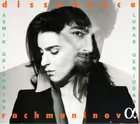
Sergei Rachmaninov: Songs ("Dissonance"), Asmik Grigorian, soprano
- Composer
- Sergei Rachmaninov
- Artist
- Asmik Grigorian, soprano; Lukas Geniušas, piano
- Label
- Alpha Classics
Asmik Grigorian’s solo recital debut, a disc of Rachmaninov songs titled “Dissonance” and recorded with pianist Lukas Geniušas for Alpha Classics, won the Song Award at the Gramophone Classical Music Awards 2022. It’s a notable choice of first solo project for a singer whose career to that point had been built substantially on the opera stage, moving instead into the much more exposed, intimate territory of voice-and-piano recital repertoire.
About the recording
Rachmaninov’s songs sit somewhat outside the core of his best-known output, his piano concertos and orchestral works are far more frequently performed, but they form a substantial and, among specialists, highly regarded body of work, written mostly before he left Russia in 1917. Piano-and-voice song recitals demand a different kind of intimacy and precision from a singer than opera does: there’s no orchestra to carry momentum or cover imperfect moments, and the piano writing in Rachmaninov’s songs is often as demanding and as central to the musical argument as the vocal line itself, requiring genuine partnership between singer and pianist rather than simple accompaniment.
About the performers
Asmik Grigorian, a Lithuanian soprano, has built an international opera career including widely noted performances in roles such as Salome, and this recital represented a first venture into a full solo recording under her own name rather than as part of an opera cast recording. Lukas Geniušas, her pianist on this disc, is a concert pianist in his own right with a substantial solo career, the pairing puts a genuine recital partnership at the centre of the recording, rather than treating the piano part as secondary to the voice.
Why this is a meaningful award
The Gramophone Song Award specifically recognises this kind of intimate, voice-and-piano recital repertoire, a category that can be overshadowed in general classical coverage by larger-scale orchestral or operatic releases. A singer better known for opera choosing to make her recording debut in this more exposed format, and winning the category outright against established specialists in the genre, says something about how the recording was received: not simply as a well-known name’s side project, but as a serious, considered piece of recital work in its own right.
What the title suggests
“Dissonance” as a title for a Rachmaninov song recital is a pointed choice, Rachmaninov’s music is often characterised, sometimes reductively, as purely lush and Romantic, and framing a programme of his songs around dissonance rather than melody signals a recital more interested in the harmonic tension and unease running through some of this repertoire than in a straightforward showcase of beautiful singing alone. That’s consistent with an opera singer’s recital debut choosing genuinely searching repertoire over a safer, more crowd-pleasing selection of his best-known songs.
A note on this page
This is a freshly written review of a real, current recording, extending mmmusic’s coverage to what’s genuinely being recorded and recognised today, it isn’t part of the site’s recovered 1991–2018 archive. Every fact here has been independently verified rather than assumed; we weren’t able to pull a full catalogue-number and pressing-detail snapshot from Discogs for this specific title at the time of writing, so we’ve left those fields out rather than guess.
Questions about this recording
Is this Asmik Grigorian's first solo recital recording?
Yes, 'Dissonance' is Grigorian's solo debut album, a recital of Rachmaninov songs recorded with pianist Lukas Geniušas rather than an orchestra.
Why record art songs rather than opera arias?
Grigorian has built her career substantially in opera, so a full recital of Rachmaninov's songs, an intimate, piano-and-voice format quite different from the orchestral scale of opera, is a deliberate change of register, letting a listener hear a different side of her voice than the stage roles she's best known for.
What did this recording win?
The Song Award at the Gramophone Classical Music Awards 2022.
What label released this recording?
Alpha Classics, a French label with a substantial catalogue of vocal and chamber recordings.
Is this recording available to buy?
Yes, it remains available through Alpha Classics and classical retailers. We link out to Amazon and Discogs below rather than run an in-house shop.


