 Back
Back Looking after them
Vinyl care, cleaning and maintenance that actually protects records.
Cleaning, storage care and keeping records sounding the way they should.
What these two guides cover, and why they're separate
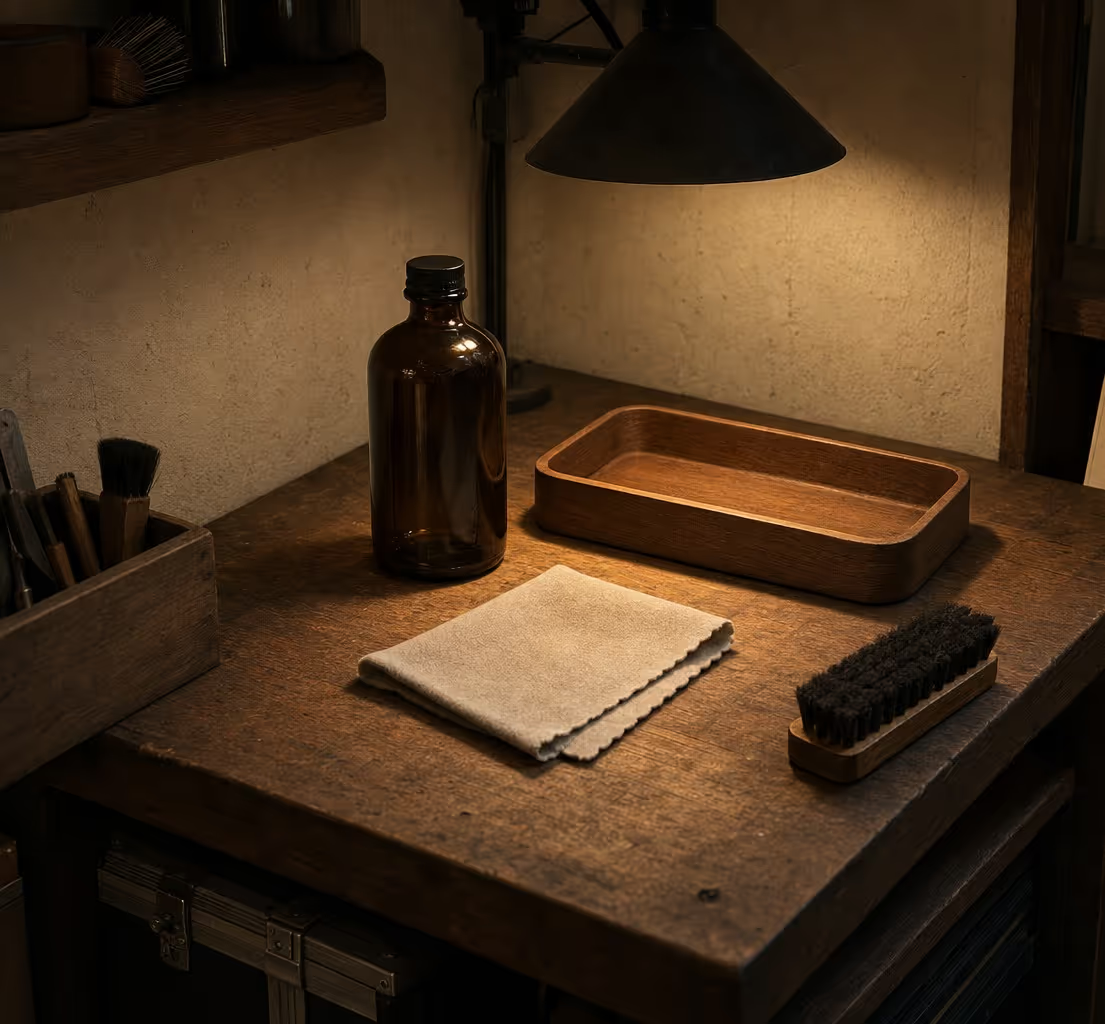
Cleaning and equipment are related but different problems. The cleaning guide walks through the actual process, brushing, wet-cleaning, and how to avoid the mistakes that turn a well-meant clean into fine scratches. The care kit guide is about what's genuinely worth owning to do that job well, and what's an unnecessary extra: a sensible kit for most collections is smaller and cheaper than the range sold as "essential" would suggest.
What actually damages a record, day to day
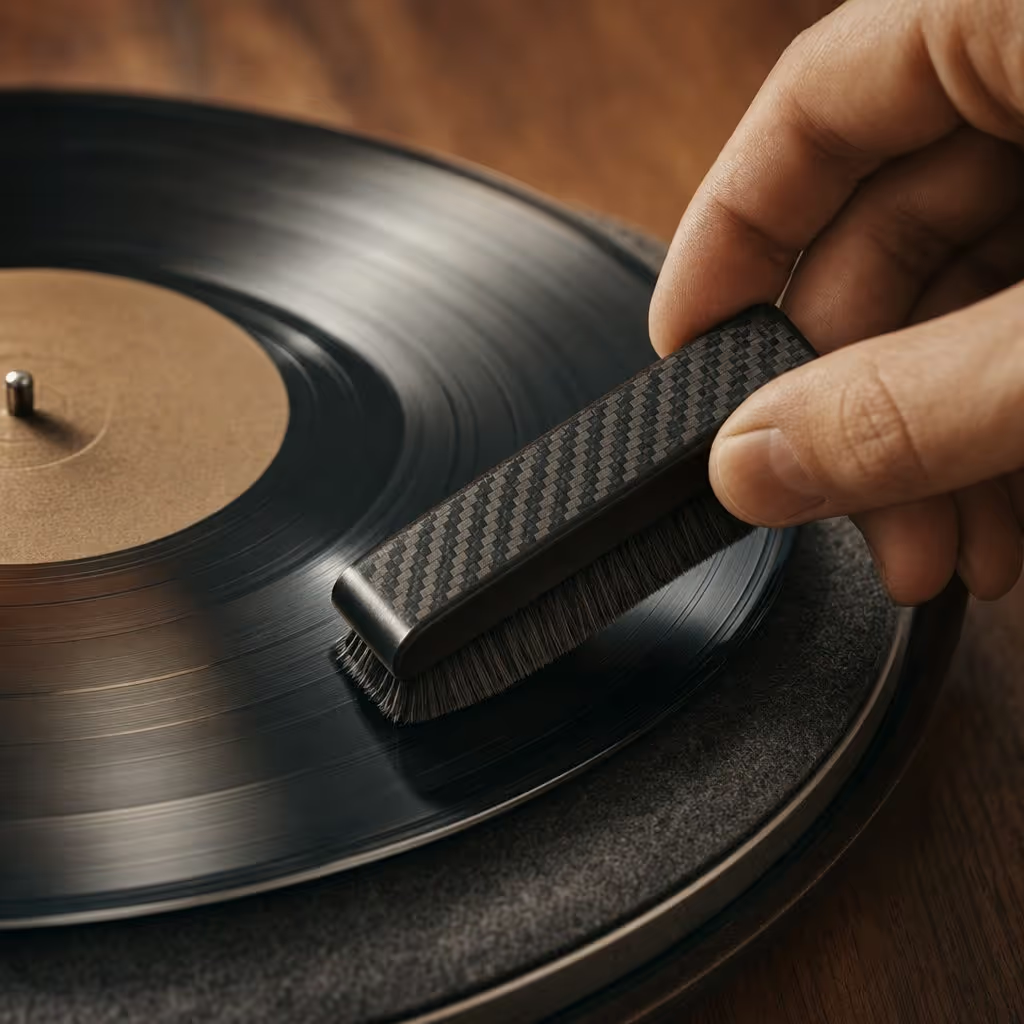
Most damage isn't dramatic, it's cumulative. Dust and static are the biggest everyday causes of surface noise, because loose grit sitting in the groove gets ground in by the stylus on every play rather than removed by it. Fingerprints add oils that attract more dust over time, which is why handling by the edges and label is the habit worth building early. Heat and direct sunlight can warp a record left in a hot car or against a sun-facing window, and stacking records flat under their own weight has the same warping effect over months, which is the main reason upright storage matters as much for condition as for convenience.
None of this requires being precious about records to the point of not playing them, a record that's handled reasonably and stored upright, out of direct heat, holds up to regular play for decades. The failure mode worth avoiding is neglect in one direction (letting dust build up for years before ever cleaning it) or overcorrection in the other (aggressive cleaning with the wrong materials, which does more damage than the dust it removes).
Sleeves matter as much as what's inside them
An old paper inner sleeve is one of the more common sources of the fine white flecks that build up on a record's surface over years, the paper itself sheds fibres against the vinyl every time the record slides in and out. A plain poly-lined inner sleeve solves this cheaply and is worth switching to gradually rather than treating it as urgent for a whole collection at once. Outer sleeves matter too, mainly for a different reason: some older or cheaper PVC-based outer sleeves can react with a record's own PVC over long storage periods and leave a sticky residue on the jacket, sometimes called "sleeve rot." Polypropylene or polyethylene outer sleeves don't have this problem and are the safer long-term default.
Static is worth a specific mention on its own, separate from dust. A record that crackles or attracts dust unusually fast, especially in a dry room or during winter when indoor humidity drops, is often carrying a static charge rather than being genuinely dirty. An anti-static brush or gun addresses this directly and is a different tool from a standard cleaning brush, even though the two get lumped together as "the same kind of thing", the care kit guide above covers which is actually worth owning for a typical UK home.
Buying secondhand: what to check before it's home
A used record's surface is worth judging under a raking light rather than head-on, tilting it so light skims across the grooves shows up fine scratches and haze that a straight-on look misses entirely, and it's the closest thing to an in-shop condition check without playing it first. Genuine deep scratches that catch a fingernail are usually a real problem; light surface marks and a bit of visible use often aren't, since a groove can look worn while still tracking cleanly. A musty smell from the sleeve is worth taking seriously even when the vinyl itself looks fine, since it usually means the record spent time somewhere damp, an inner-sleeve swap on arrival, before it goes anywhere near the rest of a collection, is the sensible precaution.
Popular pressings are a useful benchmark here, since they turn up secondhand often enough to compare condition across several copies before buying: a well-known title like pink floyd vinyl records is common enough that it's worth being picky about surface condition rather than settling for the first copy found, and the same goes for a soundtrack pressing like the sound of music vinyl.
Vinyl care questions people actually ask
How often should records actually be cleaned?
A quick anti-static brush pass before every play is worth doing as routine, it takes seconds and removes the loose dust that causes most surface noise. A proper wet clean is a different, occasional job: worth doing on anything bought secondhand before its first play, and on regularly-played records every few months depending on how dusty the listening room is, rather than on a fixed schedule.
Can household items clean a record in a pinch, or is that risky?
It's risky enough to avoid as a habit. Anything with alcohol, ammonia or added fragrance, most glass cleaners and dish soaps, can degrade vinyl's surface or leave a residue that attracts more dust than it removes. A soft, lint-free cloth and plain water for light dust is genuinely fine occasionally; anything beyond that is where a proper cleaning solution and brush, covered in the care kit guide, earns its keep.
Does a care kit replace a proper wet clean, or is it just maintenance?
Maintenance, mainly. The everyday tools in a sensible care kit, an anti-static brush, a carbon-fibre brush, a stylus brush, keep a record in good condition between proper cleans and catch problems early, but they're not a substitute for an actual wet clean on a record that's genuinely dirty or has sat unplayed and dusty for years. Think of the kit as what keeps a clean record clean, not what gets a dirty one clean in the first place.
What's the single biggest mistake people make trying to care for records?
Wiping in circles rather than following the groove. A record's groove spirals from outer edge to inner, so a circular wipe drags dust and grit across it rather than along it, the same motion that feels natural for cleaning a plate is exactly the wrong one here, and it's a common way a well-meant cleaning pass adds fine scratches instead of removing dust.