 Back
Back The crates
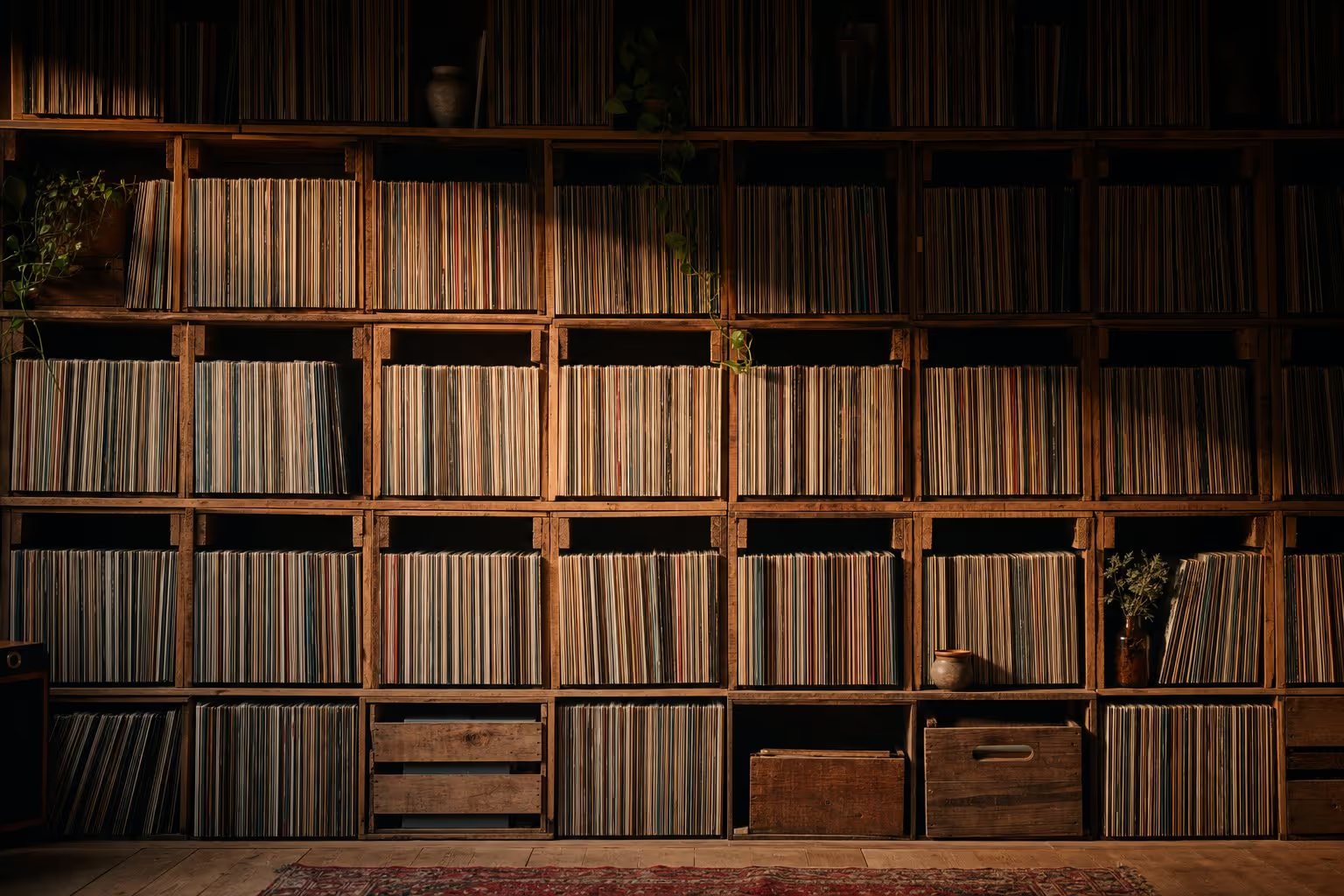
Vinyl storage cabinets and furniture, sized for real rooms.
Cabinets, crates, shelving and the odd IKEA hack, everything that keeps a growing collection flat, dry and easy to flip through.
How much storage a collection actually needs, and when
The three guides above are ordered roughly the way a real collection grows. Crates versus boxes is the starting question, and it stays the right answer for longer than most people expect, a couple of good record crates protect a collection just as well as furniture does, they're cheaper, and they're portable if you move house with the collection still growing. IKEA Kallax is the natural next step for a lot of UK collections specifically because its cube dimensions happen to suit 12-inch records well, at a price point real cabinets built for records rarely match. Purpose-built cabinets are where the buying guide above comes in, worth it once a collection is large enough, or a room is finished enough, that furniture-grade storage is the actual goal rather than a nice-to-have.
What actually protects records in storage
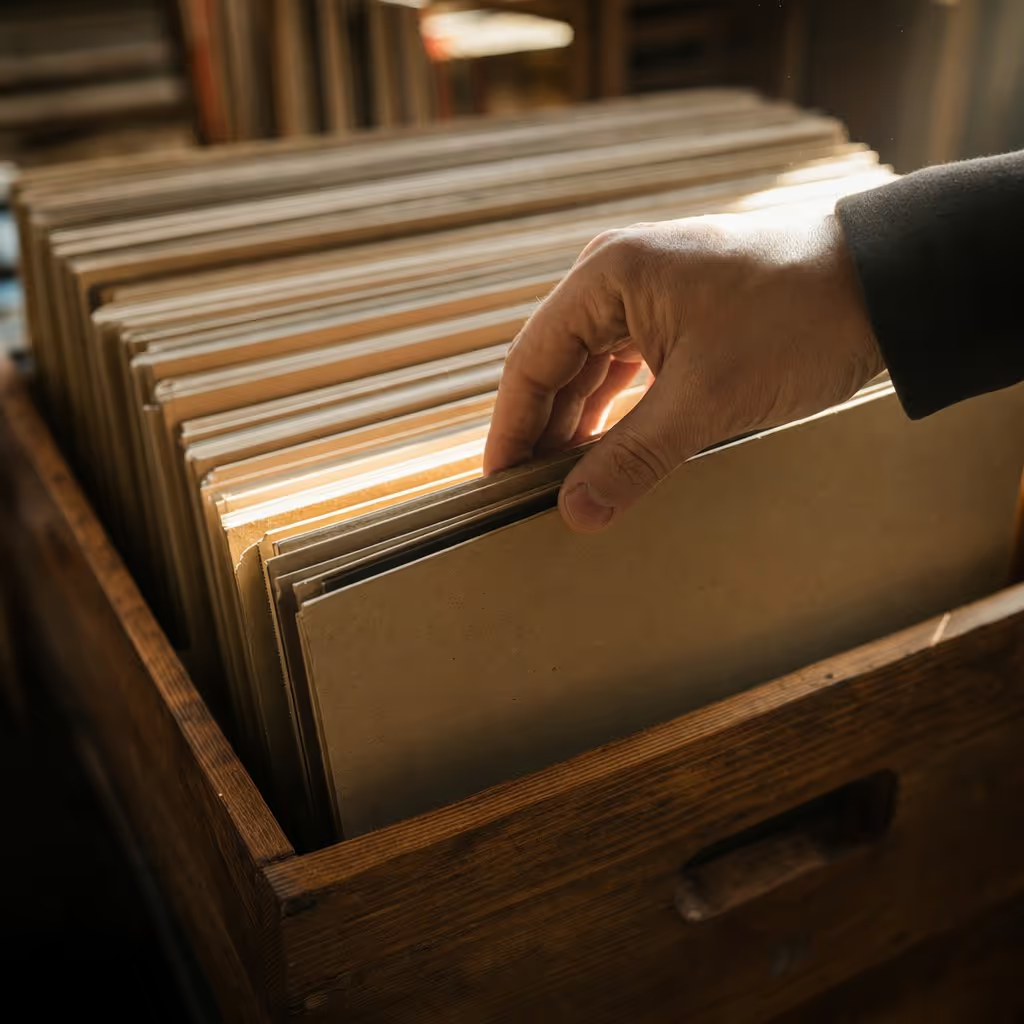
Two habits matter more than the furniture itself. Records need to be stored upright, never flat and stacked. A stack of records under its own weight is one of the more common causes of warping, and it happens gradually enough that the cause isn't always obvious afterwards. And storage needs to be out of direct sunlight and away from sustained heat sources (radiators, hot attics, a car boot on a warm day), since vinyl softens well below temperatures a room would otherwise feel comfortable at. Everything else, which specific crate, cabinet or shelving unit, is really a question of budget, room size and how the collection is meant to look, which is exactly what the three guides above go through in detail.
Weight is the thing most first-time buyers underestimate
Records are heavier than they look stacked up one at a time, a fully loaded crate of around 60-80 LPs, or a cube shelf packed edge to edge, adds up to real weight fast, and it's worth checking that whatever's holding them is actually built for it. A flimsy flat-pack shelf not rated for dense, heavy loads can bow or fail over time under a growing collection, which is more of a risk with wide, unsupported shelf spans than with a narrower cube format. It's a reasonable thing to check before buying any storage furniture, purpose-built or repurposed, not just whether records physically fit the dimensions, but whether the shelf material and support structure are actually rated for that kind of sustained weight.
Room placement matters for a similar reason. A wall-mounted or free-standing unit fully loaded with records is substantially heavier than the same piece of furniture would be holding books of a similar size, so it's worth confirming wall fixings or the unit's own base are adequate before mounting or filling it, especially for taller cabinets, where a top-heavy loaded unit is also a genuine tipping risk in a room with children or pets. None of this is meant to make storage sound complicated; it just rewards checking once, early, rather than discovering a shelf's limits the hard way after a collection has already outgrown it.
Organising a growing collection so it's actually browsable
How records are ordered matters more once a collection passes a couple of hundred, when flicking through everything in arrival order stops being practical. Alphabetical by artist is the most common approach and the easiest for anyone else in the house to actually use; genre-first sorting works well for a collection with a few clearly distinct areas (classical and everything else, say) but tends to break down once genres start blurring. Whatever the system, leaving genuine slack in a crate or shelf rather than packing to capacity is what actually keeps it browsable day to day, a section that's too tightly packed to flip through comfortably gets skipped, which defeats the point of sorting it carefully in the first place.
Worth a mention for anyone assembling a first proper setup rather than adding to an existing one: a dedicated vinyl records storage case can double as transport if a collection ever needs to move between rooms or houses, and a limited pressing like the Taylor Swift Red (Taylor's Version) vinyl is a good reminder that new releases need the same shelf discipline as anything older.
Vinyl storage questions people actually ask
How many records actually fit in a standard crate before it gets too full?
A standard milk-crate-style record box is comfortably sized for somewhere around 60-80 LPs before it gets hard to flip through, past that, records start compressing against each other under their own weight, which is exactly the pressure that causes edge warping over time. Under-filling slightly is better than packing to capacity; a crate that's too tightly packed defeats the point of upright storage.
Is IKEA Kallax actually vinyl-safe, or does it need changes first?
The cube dimensions genuinely suit 12-inch records well, which is why it's such a common choice, but the stock shelf has no divider, so records at the ends of a full cube can lean at an angle over time with nothing to stop them, which is the main real risk worth addressing rather than an urban myth. A simple end divider or bookend solves it; the small-space guide above covers exactly what to add and what's unnecessary.
Should new vinyl go straight into a cabinet, or is a crate fine to start?
A crate is genuinely fine to start, not just a budget compromise, it does the two things that actually protect records (upright storage, out of direct heat and light) just as well as furniture does. Cabinets start making more practical sense once a collection passes a couple of hundred records and browsing through open crates gets unwieldy, or when the crates themselves become a room's dominant piece of furniture whether that was the plan or not.
Does temperature or humidity actually matter for storage, or is that overstated?
Temperature swings and damp both have real, well-understood effects, sustained heat can soften and warp vinyl, and damp attacks card sleeves before it touches the record itself, leading to mould and mildew smell that's very hard to fully remove afterwards. Neither requires special equipment to avoid: a stable, dry room out of direct sun and away from radiators or hot attics/garages covers it for the vast majority of home collections.