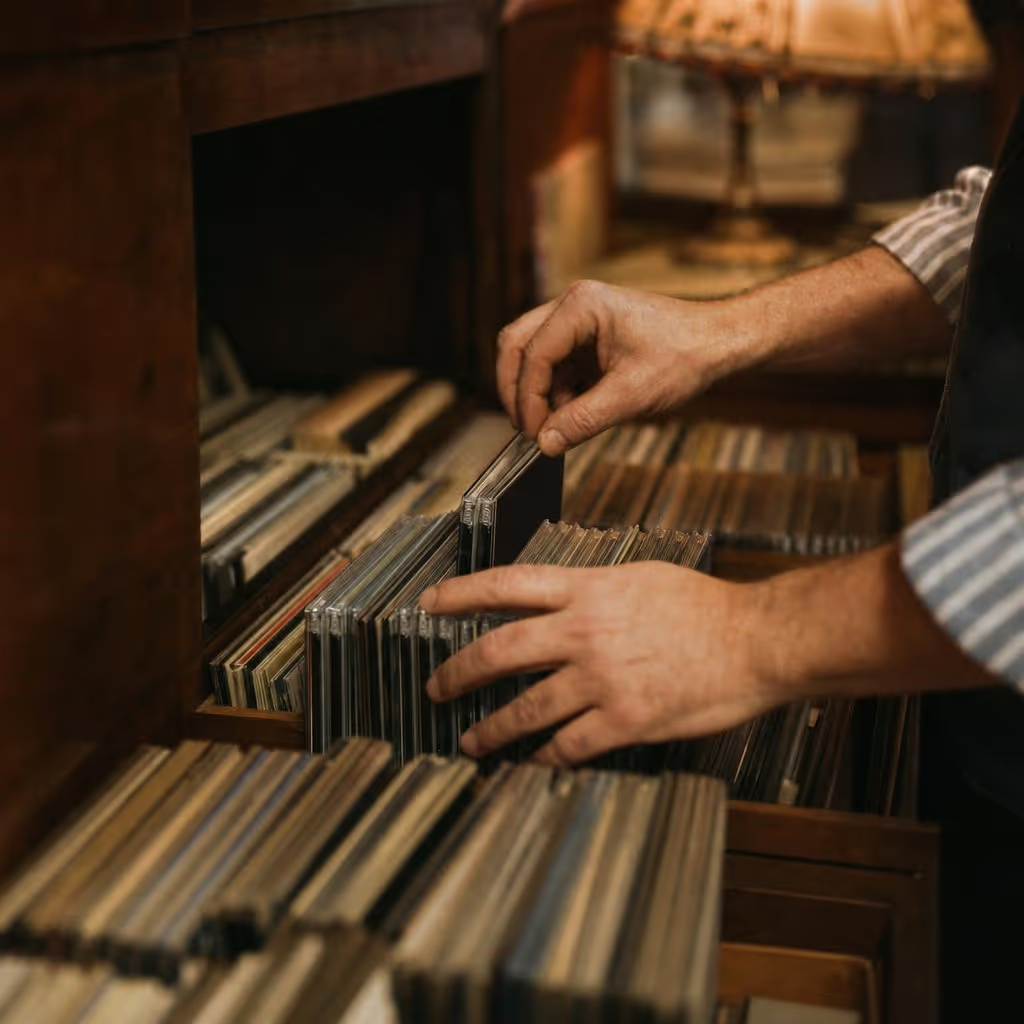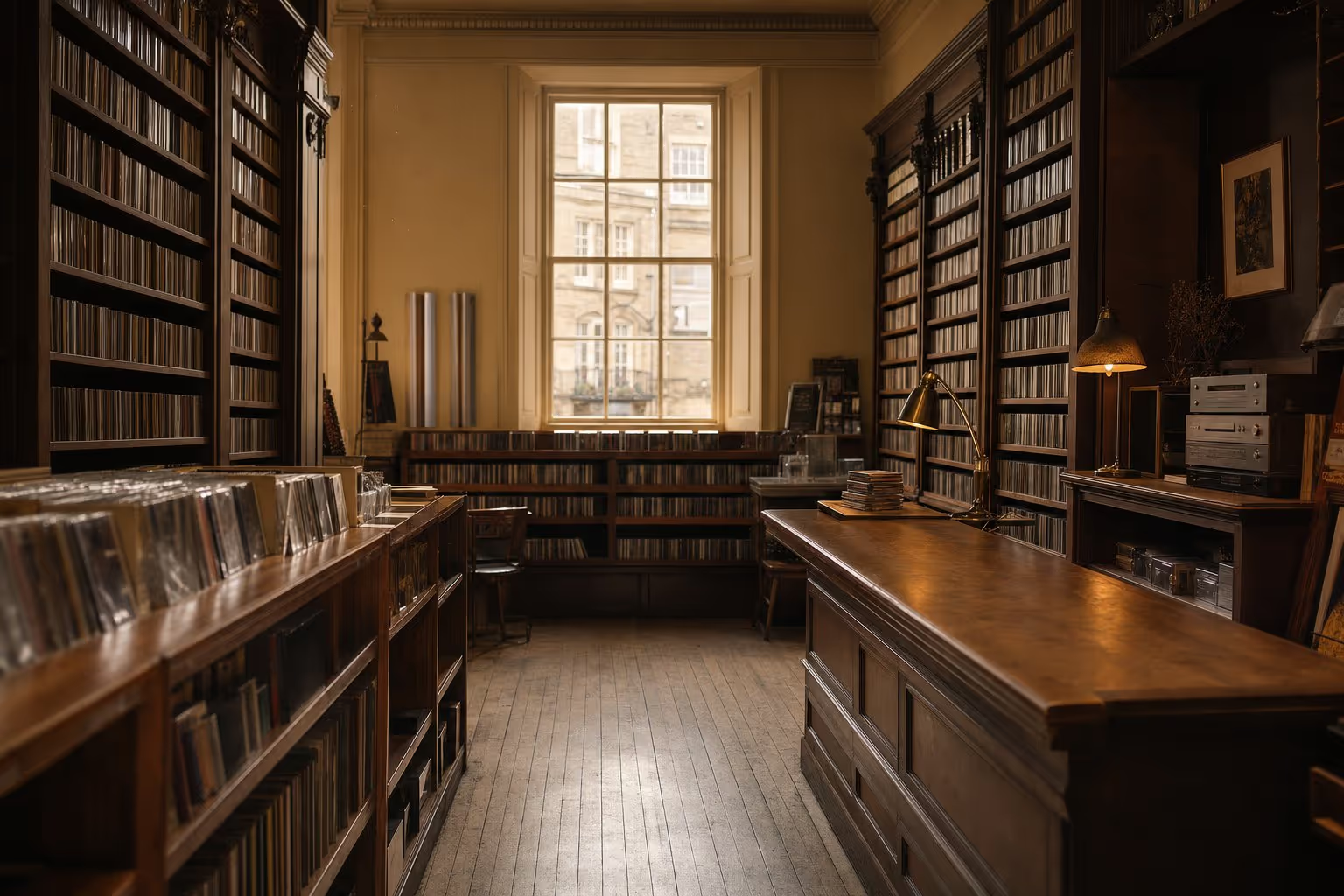
Before this was a website about vinyl, it was a real shop: McAlister Matheson Music, trading from 1 Grindlay Street from 1991 until its dissolution in January 2018. It was founded by Sandy Matheson and Anne McAlister, and by most accounts became Scotland’s largest specialist in classical CDs, a shop built around genuine expertise rather than volume, a short walk from the Usher Hall.
What the shop actually was
Unlike a general music retailer, McAlister Matheson Music focused specifically on classical repertoire, run by staff who were, by the evidence of the reviews that survive from the site, seriously knowledgeable about the field, not just stocking recordings, but writing about them with real critical judgment, name-checking specific recorded alternatives and specific interpretive choices in a way that reads more like specialist music journalism than shop copy. The shop also ran a “Gramophone Choices” feature reprinting Gramophone Magazine’s own monthly editor’s picks alongside its own reviews, and covered live concerts locally, including, on the evidence of a couple of the pages recovered for this rebuild, recordings connected to St Giles’ Cathedral’s own choir just up the Royal Mile.
Why this matters for a vinyl-shop rebuild
When this domain came up for a fresh start, the temptation was to treat its history as background trivia, interesting, but disconnected from a site now built around vinyl, turntables and record culture more broadly. We didn’t want to do that. The real backlink history behind this domain, links from Wikipedia, from Gramophone itself, from the Naim Audio hi-fi community, from the composers and ensembles whose records got reviewed here, exists because a real specialist shop earned it, one genuinely well-informed review at a time. Reviving that as an active classical and audiophile pillar of the new site, alongside the wider vinyl-culture content, felt like the honest way to build on what was actually here rather than starting from nothing.
What we could and couldn’t recover
Not every page from the original site survived somewhere retrievable. Where the original review text did survive, several dozen pages, and counting as we work through the archive, we’ve republished it close to verbatim, crediting the original writer by name where that’s known (Sandy Matheson wrote a substantial share of the surviving classical CD reviews; other pieces carry other real bylines). Where a page’s original text genuinely didn’t survive anywhere we could find it, but the page itself clearly mattered enough to have real citations pointing at it, we’ve rebuilt it from independently verified facts about the actual recording, never inventing what a long-gone reviewer might have said, and always disclosing which kind of page you’re reading.