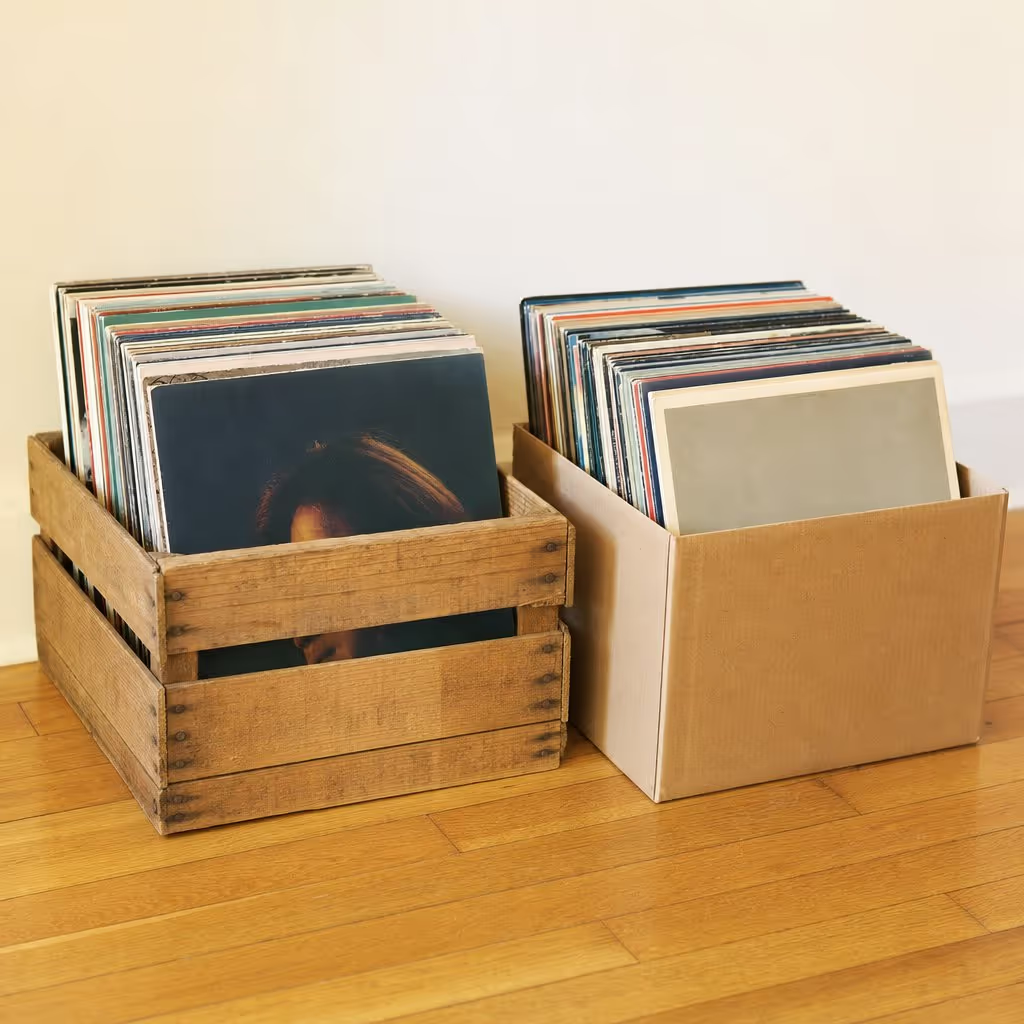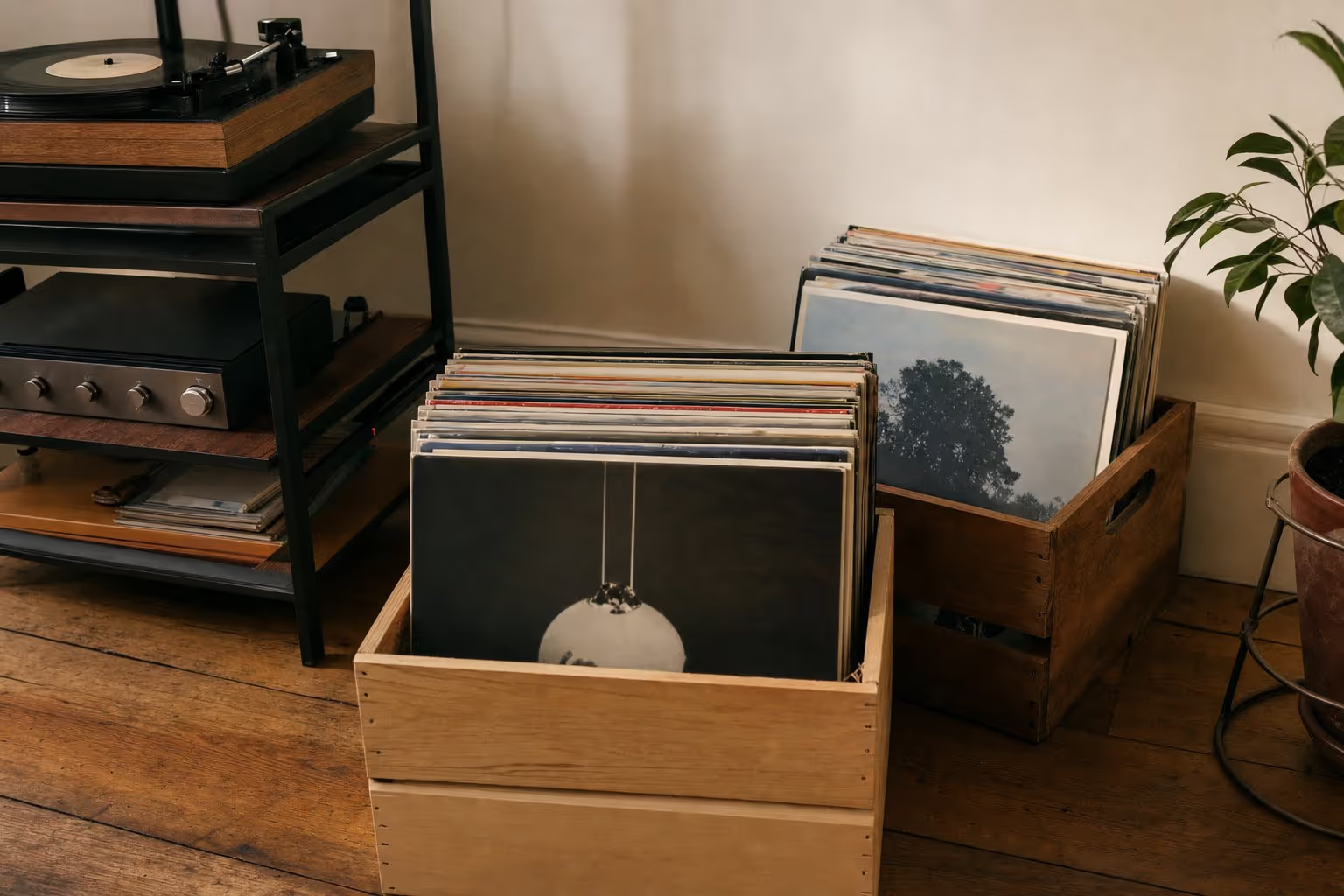
Before buying any real storage furniture, most collections spend their first year or two in whatever’s cheapest and closest to hand, usually a choice between plain cardboard boxes and simple open wooden crates. Neither is wrong for a starting collection; they suit slightly different situations.
Cardboard: cheapest, least permanent
A sturdy double-walled cardboard box, records stored upright rather than stacked flat, is genuinely fine for 50-100 records kept for a year or two. The real risks are structural rather than about the records themselves: cheap single-wall boxes can bow at the base under sustained weight, and repeatedly lifting a full box by its sides rather than its base is the most common way a box eventually fails. Cardboard’s other real downside is aesthetic and practical rather than protective, it doesn’t browse as well as an open crate, and it doesn’t look like something you’d want visible in a living room long-term.
Open crates: sturdier, better for browsing
A simple open wooden crate, the kind sold specifically for records, typically 33-35cm internal width to match standard sleeve size, solves the structural weak points of cardboard and makes flipping through records considerably easier, since the top is fully open rather than requiring lids to be removed. The trade-off is cost per record stored: a crate costs more than an equivalent-capacity cardboard box, though usually less than built-in cabinet storage per record.
A practical threshold
There’s no need to overthink the switch from boxes to crates. As a rough guide: under 30-40 records, a good cardboard box is genuinely fine and not worth spending money to avoid. Past that point, the combination of weight, browsing friction and the fact you’re clearly committing to the hobby usually makes a proper crate (or moving straight to cube-style furniture like a Kallax) worth the modest extra cost. Either way, the one rule that matters regardless of container: always upright, never stacked flat, and never so tightly packed that pulling one record out drags its neighbours’ sleeve corners with it.
What to actually avoid
A few genuine mistakes are worth flagging beyond the box-versus-crate question itself. Damp basements and garages are the single worst place to store either, cardboard wicks moisture readily, and even a crate offers no protection against a sleeve absorbing damp over months of storage. Stacking multiple boxes with records lying flat inside each, rather than upright, is the other classic beginner mistake, it looks space-efficient but reliably warps the lower records under sustained weight. Neither mistake is expensive to avoid; both are expensive to fix once records have actually warped or gone mouldy.